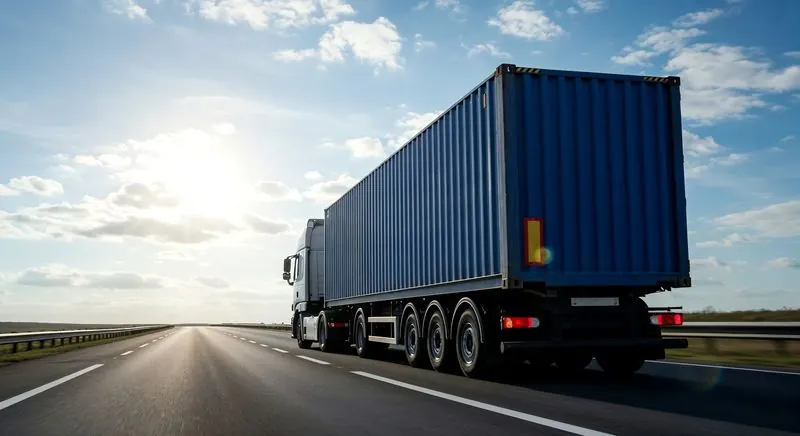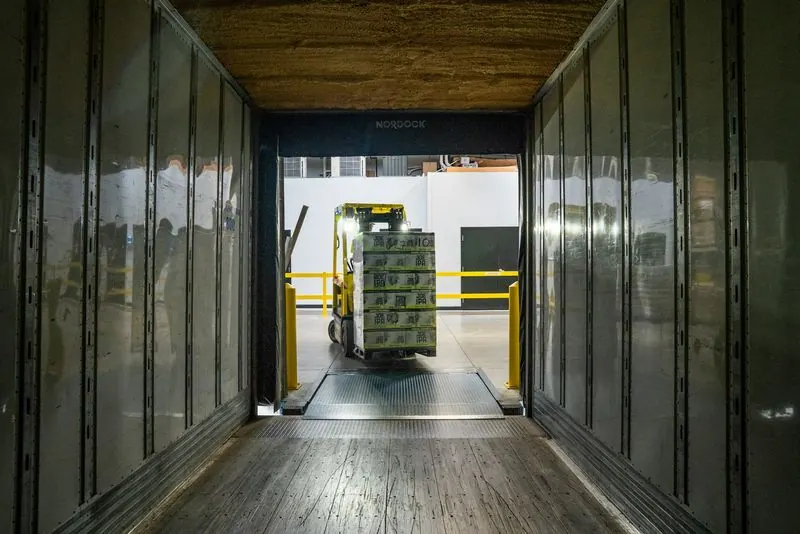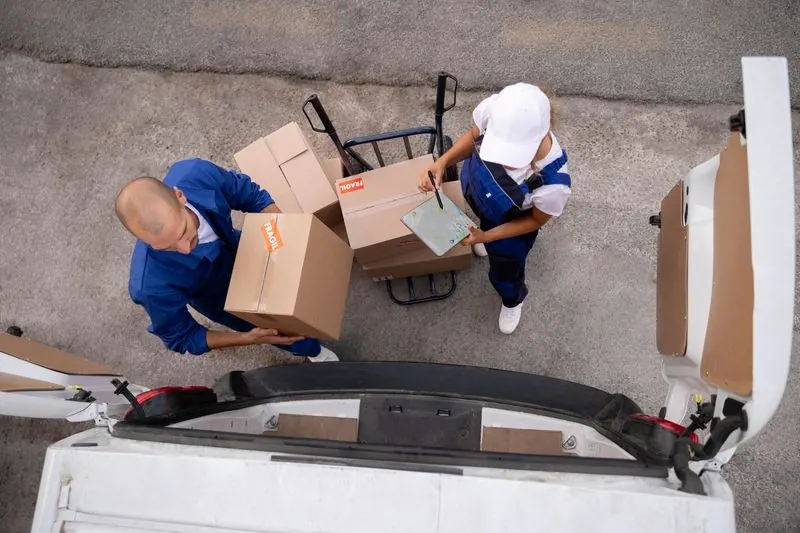



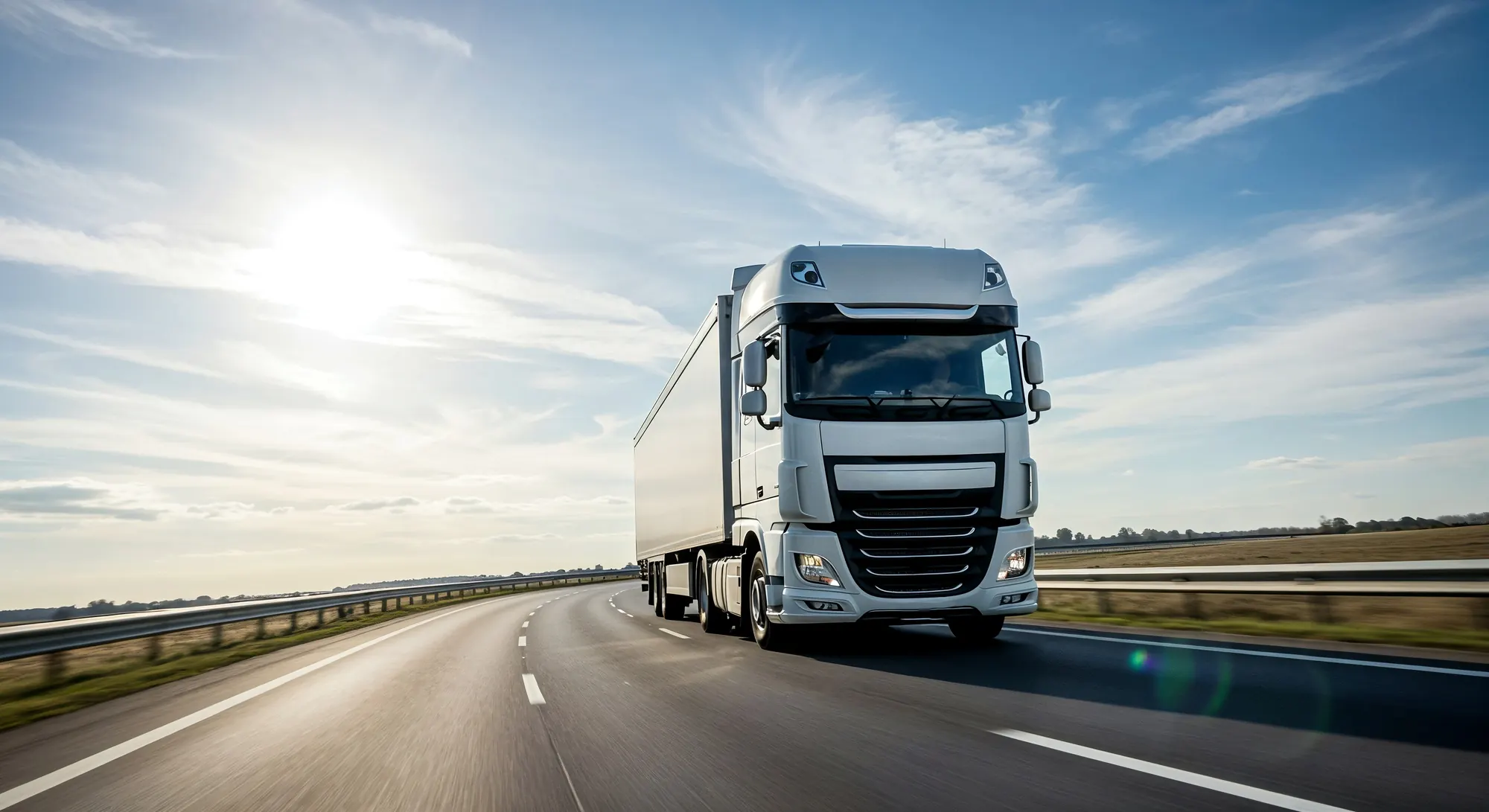
Every business that ships goods eventually faces the same question: should this consignment travel as a full truckload (FTL) or share space with other shipments as a less-than-truckload (LTL) or part load? The answer affects your cost per kilo, your transit time and how many times your goods are handled on the way.
What is a full truckload (FTL)?
With FTL, you book the entire vehicle. Your goods are loaded at your site and driven straight to the destination, with no stops to pick up or drop off anyone else's freight. It is the fastest and most secure way to move large volumes.
What is a part load (LTL)?
With LTL, you pay only for the space your freight uses. Several customers' consignments share one truck, and the route is planned to collect and deliver each of them. It is ideal for a few pallets that don't justify a full vehicle.
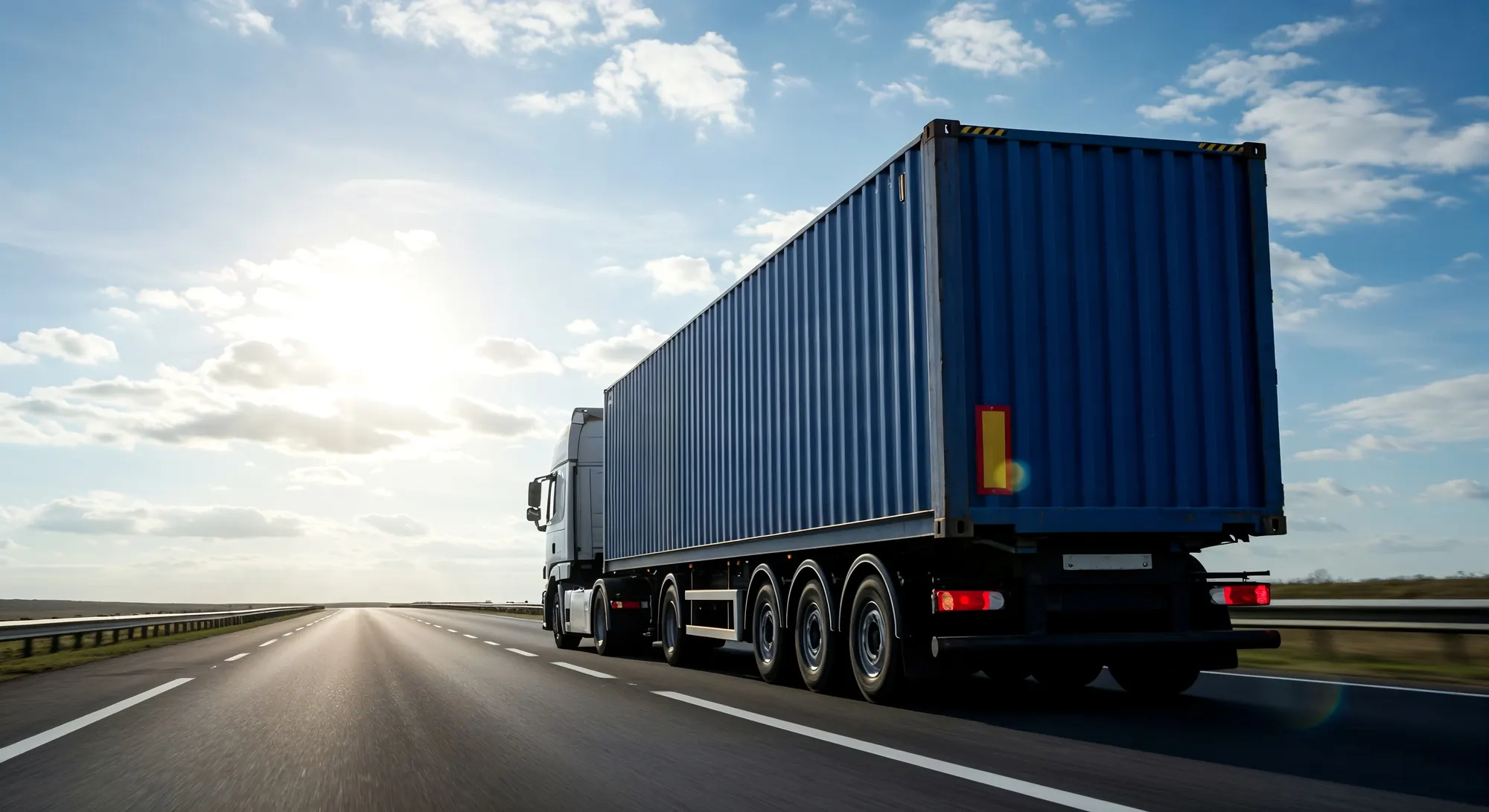
How to decide
- Volume: If your freight fills more than 60–70% of a vehicle, FTL usually costs about the same as LTL and arrives faster.
- Urgency: FTL travels direct, so it wins on tight deadlines. LTL adds a day or two for consolidation.
- Fragility: Fewer touchpoints mean less risk. High-value or delicate goods are safer on a dedicated truck.
- Budget: For smaller, regular shipments, LTL keeps costs predictable and lets you ship more often.
“The cheapest rate on paper isn't always the cheapest shipment. Count the cost of delays and re-handling too.”
— Rohan Mehta, Operations Manager
Not sure? Ask for both quotes
Share your pickup and delivery locations, the material you're sending and an approximate weight, and our team will price both options side by side so you can choose with confidence.